


UHV Store of Switzerland - Ultra High Vacuum Technology
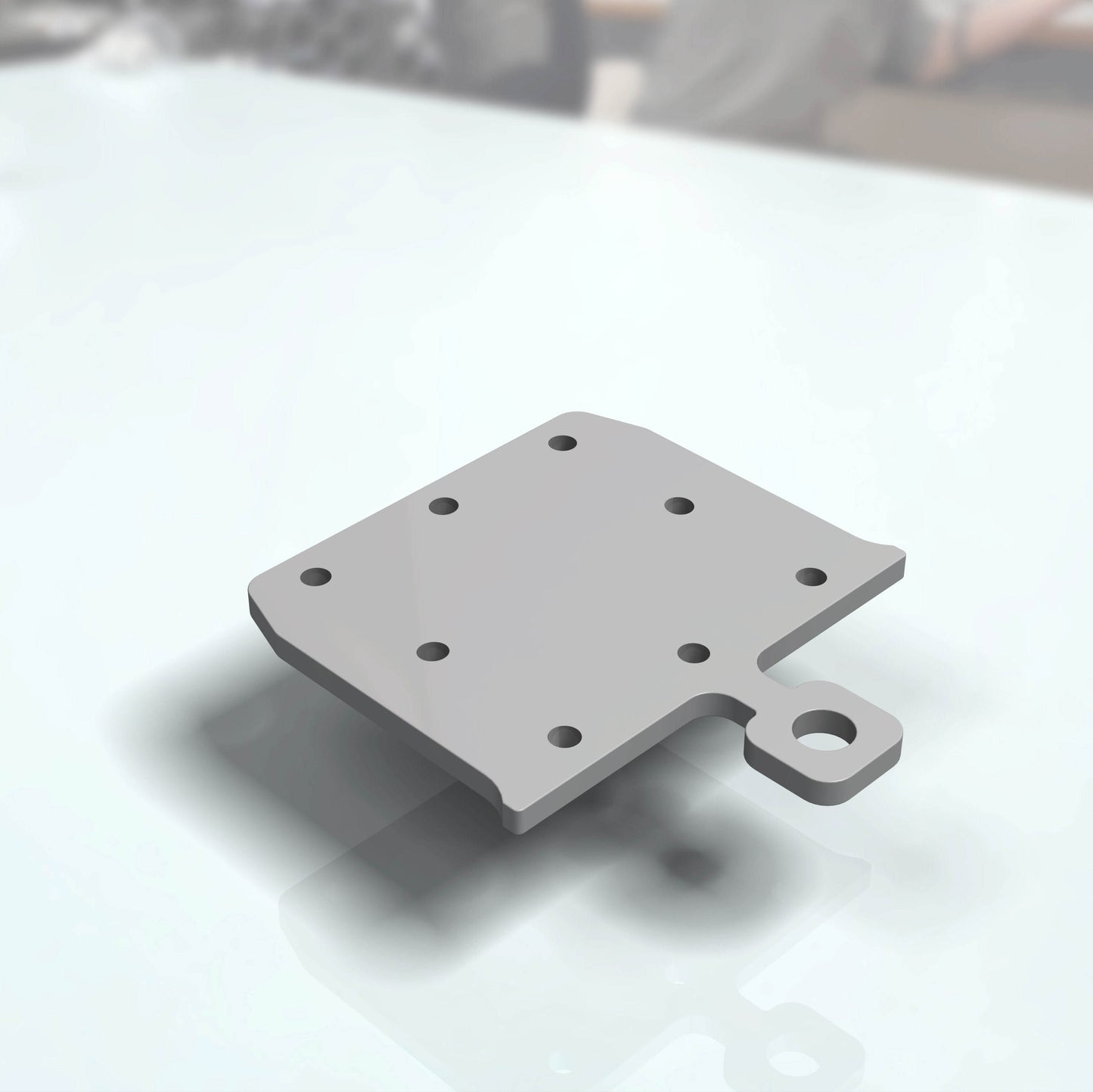
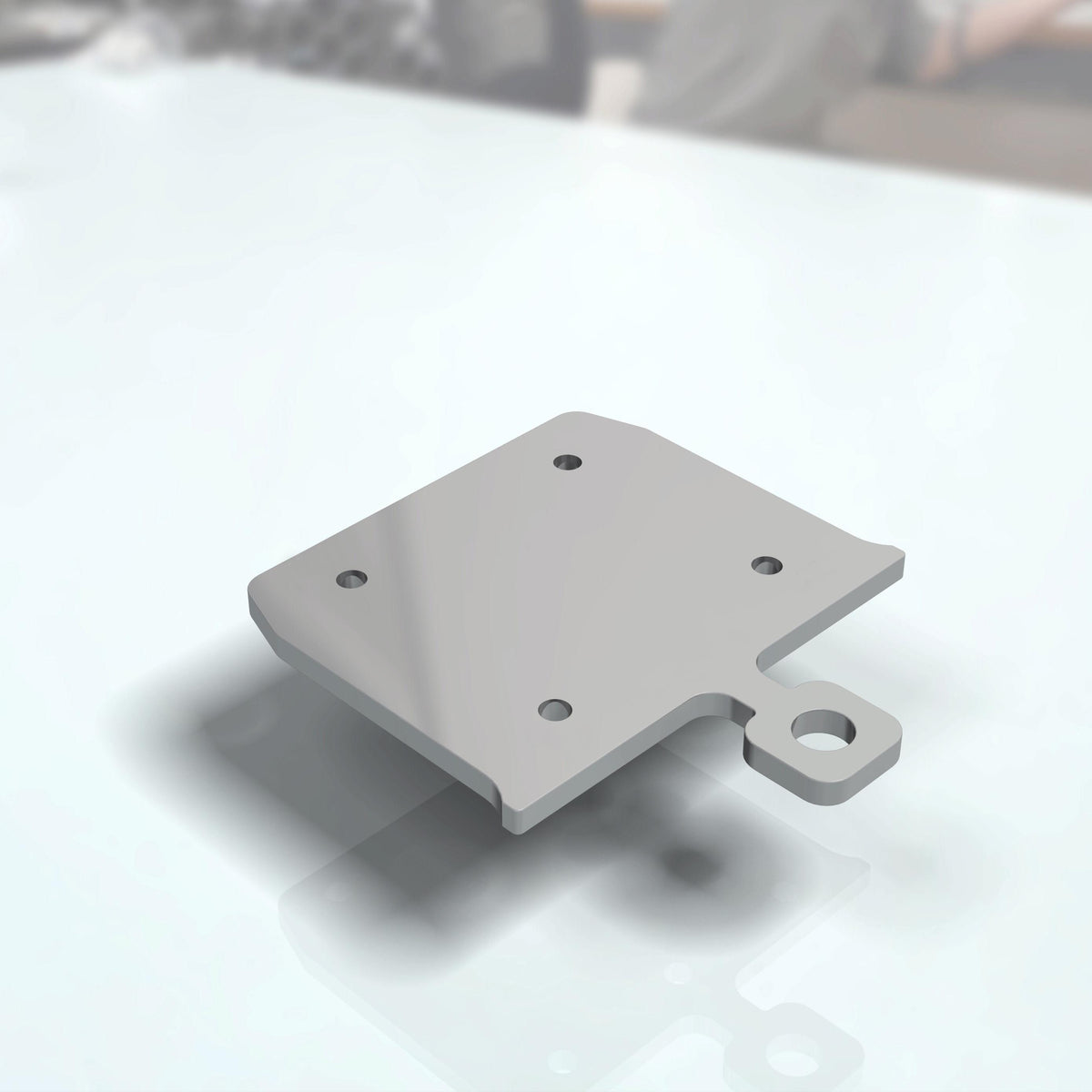
Flag Style Sample Holder Plates for UHV, Cryo & High-Temperature Applications
Flag Style Sample Holder Plates for UHV, Cryo & High-Temperature Applications
Couldn't load pickup availability
Flag Style Sample Holder Plates are designed for demanding scientific, vacuum, cryogenic, and high-temperature applications. Typical uses include sample mounting in UHV chambers, heating stages, cryogenic systems, surface science experiments, MBE systems, and other precision scientific equipment where cleanliness, dimensional stability, thermal performance, and material compatibility are critical.
A wide range of materials is available to optimize thermal conductivity, chemical resistance, magnetic behavior, oxidation resistance, mechanical stability, and vacuum performance for specific experimental requirements.
High-Vacuum Cleaning for UHV Use
All sample holder plates are delivered HV-cleaned and packaged to minimize surface contamination.
The supplied HV-cleaned condition provides a technically sound starting point for UHV applications. Additional bake-out procedures may be performed as part of the customer's standard vacuum preparation process.
Material Options
Stainless Steel (304 / 316L)
X5CrNi18-10 1.4301 (AISI 304)
X2CrNiMo17-12-2 1.4404 (AISI 316L)
Typical Properties
- Good mechanical strength
- Excellent corrosion resistance
- Cost-effective and widely available
- Usually non-magnetic when fully annealed
Applications
Stainless steel is the standard choice for room-temperature vacuum systems and general scientific hardware. When properly cleaned and vacuum-prepared, 304 and 316L grades perform well in HV and UHV environments.
Because of their relatively high thermal expansion and low thermal conductivity, stainless steels are generally not preferred for strongly heated or cryogenic sample stages.
Oxygen-Free High Conductivity Copper (CW009A Cu-OFE 2.0040, C10100)
Typical Properties
- Excellent thermal conductivity
- Low outgassing
- Paramagnetic
- Excellent thermal coupling
Applications
Copper is ideal when efficient heat transfer between the sample and the holder is required. It performs exceptionally well in cryogenic systems, temperature-controlled experiments, and applications requiring rapid thermal equilibration.
Gold-Plated Oxygen-Free High Conductivity Copper (CW009A Cu-OFE 2.0040, C10100)
Surface Finish
Electroless Nickel (Ni-P 15%) + Gold-Plated ≥1 µm
Typical Properties
- Excellent thermal conductivity
- Improved corrosion resistance
- Stable electrical contact surface
- Non-magnetic coating system
Applications
Gold-plated OFHC copper combines the excellent thermal performance of oxygen-free copper with improved corrosion resistance and oxidation protection. It is frequently used for precision sample mounting and temperature-controlled experiments.
Titanium (Grade 2, 3.7035)
Typical Properties
- Low thermal expansion
- Good corrosion resistance
- Paramagnetic
- Low magnetic susceptibility
Applications
Titanium combines excellent corrosion resistance with good vacuum compatibility and low magnetic susceptibility. Suitable for cryogenic and elevated-temperature applications.
Important Note
Utilizing titanium sample holders together with Type K thermocouples above approximately 942 °C may result in eutectic alloy formation and subsequent material degradation.
Molybdenum (Mo 99.97%)
Typical Properties
- High melting point
- High thermal conductivity
- Very low thermal expansion
- Paramagnetic
- Excellent vacuum compatibility
Applications
Molybdenum is one of the most commonly used materials for UHV sample holders and heating applications. It combines excellent dimensional stability, efficient thermal coupling, and very low outgassing.
Ideal for UHV, HV, cryogenic, and inert-gas environments.
Tantalum (Ta 99.95%)
Typical Properties
- High melting point
- Excellent corrosion resistance
- Paramagnetic
- High ductility and toughness
Applications
Tantalum offers exceptional chemical stability and corrosion resistance. It performs well in reactive environments, oxygen-containing atmospheres, cleanroom applications, and chemically sensitive experiments.
A preferred choice where chemical compatibility is more important than maximum thermal conductivity.
Tungsten (W 99.95%)
Typical Properties
- Highest melting point of all available materials
- Highest thermal conductivity
- Lowest thermal expansion
- Paramagnetic
Applications
Tungsten provides the highest temperature capability of all available materials and is ideally suited for directly heated samples, high-power heating stages, and extreme thermal environments.
Due to its high stiffness and brittleness, careful handling is recommended.
Aluminium Oxide (Al₂O₃)
Typical Properties
- Excellent electrical insulation
- High-temperature capability
- Chemically inert
- Paramagnetic
Applications
Aluminium oxide is ideal where electrical isolation is required while maintaining excellent vacuum compatibility and thermal stability.
Commonly used in electrically isolated sample mounting systems.
Aluminium (EN AW-6082, 3.2315)
Typical Properties
- Good thermal conductivity
- Easy machinability
- Corrosion resistant
- Paramagnetic
Applications
Aluminium is a practical and economical choice for room-temperature and moderately heated vacuum systems where good thermal conductivity and easy machining are desired.
Alloy 214 (UNS N07214, NiCrAlFe)
Typical Properties
- Outstanding oxidation resistance
- Excellent thermal cycling performance
- Stable aluminium oxide surface layer
- Good high-temperature mechanical strength
Applications
Alloy 214 is specifically developed for long-term operation in highly oxidizing environments. Its aluminium-rich oxide layer provides excellent resistance to scaling and oxidation at elevated temperatures.
Suitable for oxygen-rich atmospheres, thermal processing equipment, furnace applications, and high-temperature sample mounting systems where conventional stainless steels reach their limits.
Material Selection Guide
- General vacuum applications: Stainless Steel
- Maximum thermal conductivity: Oxygen-Free High Conductivity Copper
- Electrical insulation: Aluminium Oxide
- Lowest magnetic signature: Copper, Titanium, Molybdenum, Tantalum, Tungsten, Aluminium Oxide, Alloy 214
- UHV sample holders and heating stages: Molybdenum → Tantalum → Tungsten (recommended progression from standard to extreme-temperature applications)
- Chemically aggressive environments: Tantalum
- Maximum temperature capability: Tungsten
- Low thermal expansion: Tungsten, Molybdenum
- High-temperature operation in air or oxygen: Alloy 214
- Corrosion resistance: Titanium, Tantalum
Conclusion
The optimal material depends on the operating environment and application requirements.
- Stainless Steel: Cost-effective solution for general-purpose vacuum applications.
- Oxygen-Free High Conductivity Copper: Maximum thermal coupling and excellent temperature uniformity.
- Titanium: Corrosion resistant and characterized by low magnetic susceptibility.
- Molybdenum: Preferred material for UHV sample holders and heating stages due to its excellent combination of thermal conductivity, low thermal expansion, dimensional stability, vacuum compatibility, manufacturability, and cost.
- Tantalum: Offers higher temperature capability than molybdenum while providing superior chemical resistance and excellent compatibility with reactive process environments.
- Tungsten: Highest temperature capability, highest thermal conductivity, and lowest thermal expansion of all available materials, making it suitable for the most demanding extreme-temperature applications.
- Alloy 214: Outstanding oxidation resistance for long-term operation in oxygen-rich and high-temperature environments.
- Aluminium Oxide: Excellent electrical insulation combined with high-temperature capability and vacuum compatibility.
High-Temperature Applications in Vacuum
For heated sample holders and heating stages operated in HV, UHV, or inert-gas environments, material selection is typically guided by both temperature capability and practical engineering considerations.
While the maximum temperature capability generally increases from molybdenum → tantalum → tungsten, molybdenum remains the preferred material for most high-temperature vacuum applications due to its excellent balance of thermal performance, dimensional stability, manufacturability, availability, and cost.
Tantalum is often selected when additional temperature margin, enhanced chemical resistance, or improved ductility is required. Tungsten is generally reserved for the most demanding extreme-temperature applications where maximum temperature capability outweighs increased brittleness and manufacturing complexity.
As a result, most scientific heating stages, sample holders, and high-temperature vacuum components are typically manufactured from molybdenum, while tantalum and tungsten are selected only when specific process requirements justify their use.
Selecting the appropriate material ensures reliable performance, long service life, and optimum compatibility with the intended scientific or industrial process.







Great holders and the customer service was impeccable ! They managed to deliver the parts urgently during vacation ! Thanks a lot !
Thank you so much for your kind words! We're really glad everything worked out in time. We always do our best to support our customers – even during vacation 😊
Appreciate your feedback!
gsrtyrtuyery6ut
Goods delivered very quickly and perfectly packed for UHV. Top quality
Sample holders are good.